One Bowl Brownie: Butter Substitutions and Baking Tips
One Bowl Brownie: Butter Substitutions and Baking Tips
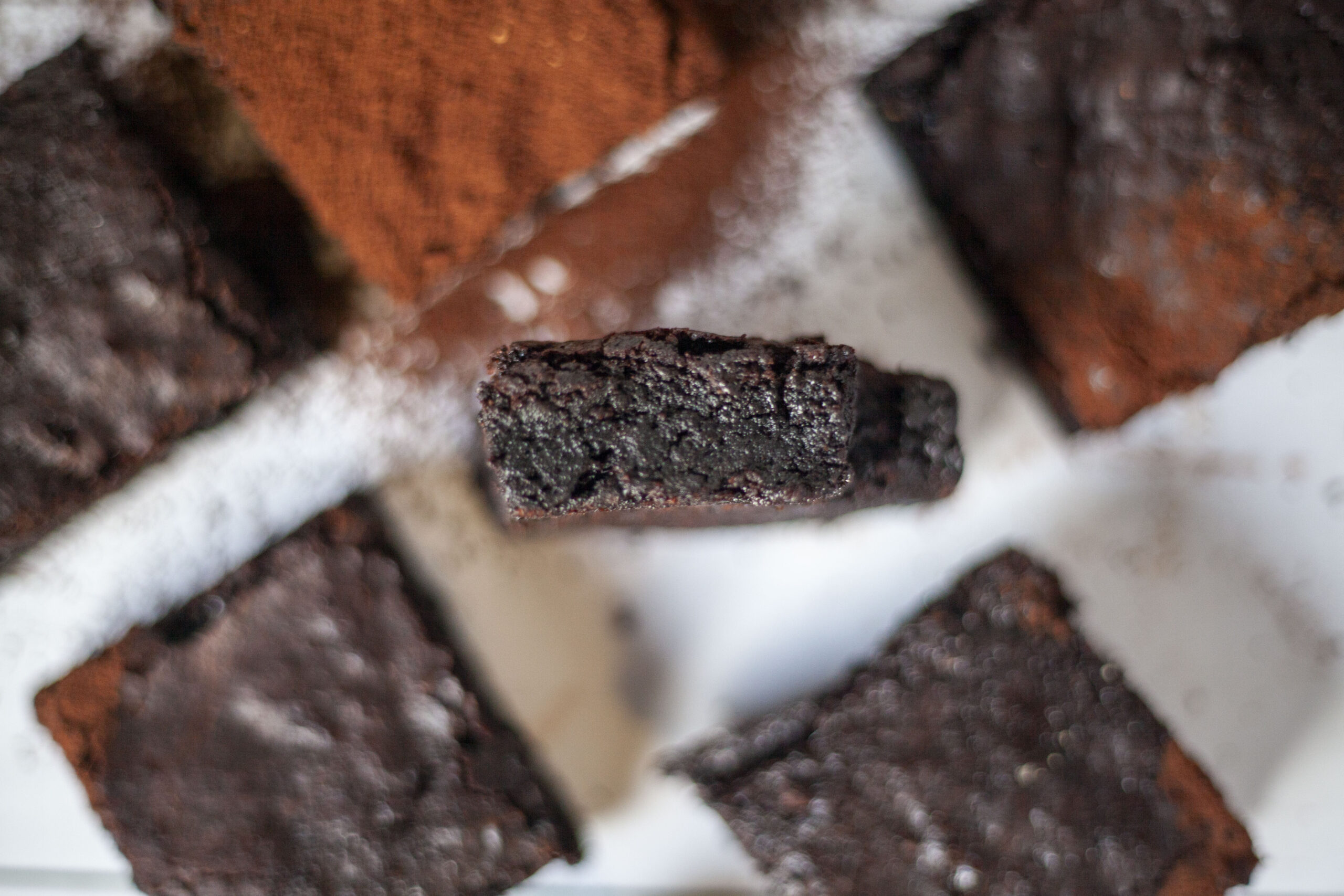
Butter is a key ingredient for delicious brownies, but it can be quite expensive. Luckily, there are a few substitutions and important tips you can use to make brownies without butter.
Substituting Butter with Margarine
For 1 cup of butter, you can substitute 1 cup of margarine. However, keep these factors in mind:
- Flavor:
Margarine lacks the rich, creamy flavor of butter, so the end result may taste slightly different. Use margarine designed for baking rather than spreads, as spreads often have higher water content. - Texture:
Margarine may make baked goods slightly softer or less flaky compared to butter. - Salt Content:
Most margarines contain salt. If the recipe calls for unsalted butter, reduce the additional salt in the recipe to avoid an overly salty taste. - Chilled Recipes:
Margarine doesn’t firm up as much as butter when chilled.
Substituting Butter with Oil
For 1 cup of butter, use ¾ cup (12 tablespoons) of oil. This adjustment compensates for the water content in butter, maintaining the richness and moisture in your brownies.
Keep these points in mind:
- Type of Oil:
Choose a neutral-flavored oil like canola, vegetable, or sunflower oil for most recipes. If the flavor of the oil matches the recipe, olive oil or coconut oil can be great alternatives. For example, if you’re adding nuts to your batter, consider pairing them with a nut-based oil. - Texture Changes:
Oil doesn’t provide the same structure as butter, which can make baked goods denser. To counter this, add an extra egg or a pinch of baking powder to help lift the batter. - Taste:
Butter adds a creamy richness to brownies. If you use oil, you can enhance the flavor by adding an extra pinch of salt or increasing the vanilla extract slightly.
Essential Brownie Tips
- Room-Temperature Ingredients:
Always use room-temperature eggs and other liquid ingredients to ensure the batter mixes smoothly. - Mix Gently:
Fold in dry ingredients slowly to avoid deflating the batter. Overmixing can make brownies tough. - Prepare Your Pan:
Line your baking pan with baking paper for easy removal and clean cutting. DO NOT use wax paper - Don’t Overbake:
For fudgy brownies, remove them when the edges are set, and the center is still slightly soft. They will continue cooking as they cool. - Extra Add-Ins:
Be mindful of heavy add-ins like nuts or dried fruit—they may sink to the bottom. Cut them into smaller pieces and toss them lightly in flour before folding them into the batter. - Optional Toppings:
Sprinkle flaky sea salt or drizzle caramel over the batter before baking for extra flavor.